What a low-energy day can look like
Educational guide · Not clinically reviewed
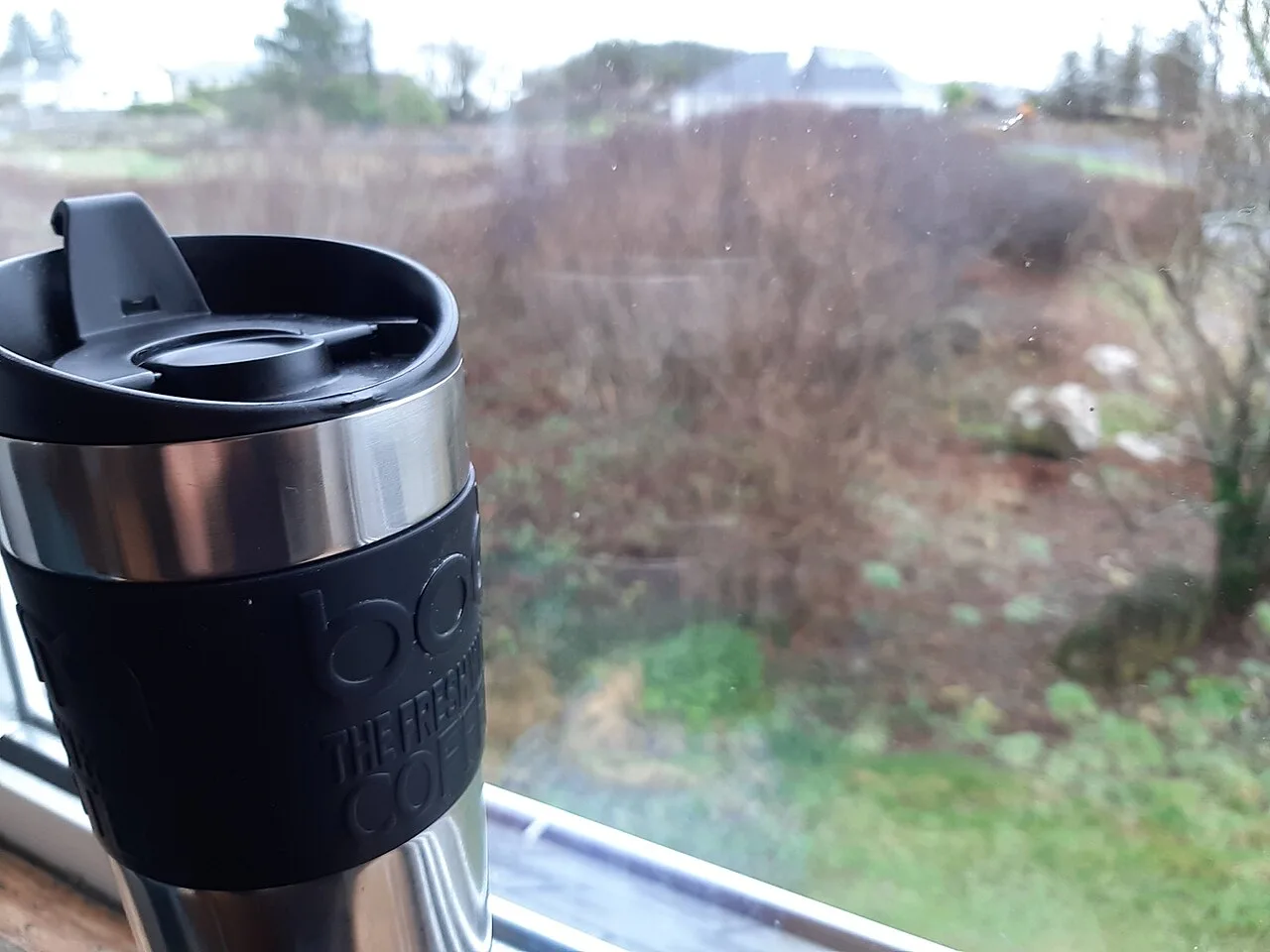

We’ve all experienced it – that morning starts with a subtle shift in how we feel, and by midday, tasks may seem more challenging. It's common to experience fluctuations in energy levels throughout the day. Recognizing this shift allows you to respond with practicality, rather than frustration or self-doubt.
Navigating these moments involves focusing on gentle adjustments that support your well-being. This approach emphasizes prioritizing basic needs and realistic expectations without assigning blame for reduced capacity.
Understanding the Shift: Recognizing Reduced Capacity
A low-energy day doesn’t automatically mean you're failing or lacking willpower. There can be different reasons for reduced energy; this reflection cannot establish the cause. Trying to push through when depleted often increases stress and isn’t sustainable.
Consider making room for a pause – an opportunity to recalibrate and gently adjust your approach. The focus is on managing how you engage with tasks and responsibilities because they feel more challenging.
Prioritizing Basic Needs: A Foundation for Stability
When your energy is low, it’s crucial to address fundamental needs. This isn't about tackling a massive to-do list; it’s about focusing on what truly sustains you – ensuring you’ve eaten nourishing food, stayed hydrated, and gotten adequate rest.
Let’s say you have several deadlines approaching. A low-energy day might necessitate delegating some tasks, rescheduling a meeting, or accepting help from a partner. ‘Good enough’ solutions can be perfectly acceptable when energy is limited – prioritizing your core well-being.
Breaking Down Tasks: Small Steps Towards Progress
Overwhelm often stems from feeling like tasks are too large and complex. Instead of vague aspirations like ‘clean the kitchen,’ try something more manageable, such as ‘load the dishwasher.’ A concrete action gives you a smaller place to start, if you have capacity for it.
Imagine you need to respond to emails. Rather than ‘manage my inbox,’ commit to ‘respond to the first five emails.’ You could choose fewer messages or postpone them if necessary. Completing a small task does not obligate you to keep going.
Communicating Your Needs: Setting Realistic Boundaries
Often, the stress associated with a low-energy day isn’t about the task itself, but the feeling of needing to hide your struggle. If you've adjusted a commitment – perhaps postponing a project or declining an invitation – communicate this clearly and early.
Consider a friend who asks for help with a large task. Saying, 'I’m taking a step back from commitments this week and focusing on my energy levels' gives your friend a clear update. It’s about honesty and managing expectations effectively.
- Don’t feel obligated to provide extensive explanations.
- A brief, honest update can often suffice.
- Prioritize your well-being without apology.
Reframing Your Perspective: Embracing the Moment
Recognize that a low-energy day isn’t an indictment of your capabilities. You may not yet know what is affecting your energy or how long it will last. Instead of fighting against this state, try to accept it with compassion and curiosity.
Allow yourself to engage in activities that genuinely feel restorative – reading a book, taking a short walk, or enjoying a quiet cup of tea. These moments can provide much-needed respite and help you recharge.
For adaptable self care ideas, choose a smaller version of an activity that fits the energy you have today.
Sources & further reading
These sources provide background, not validation of every exercise or endorsement of Help Me Heal. Practical examples are original educational suggestions. How we create our content.