
Make room for enjoyment without earning it first
Educational guide · Not clinically reviewed
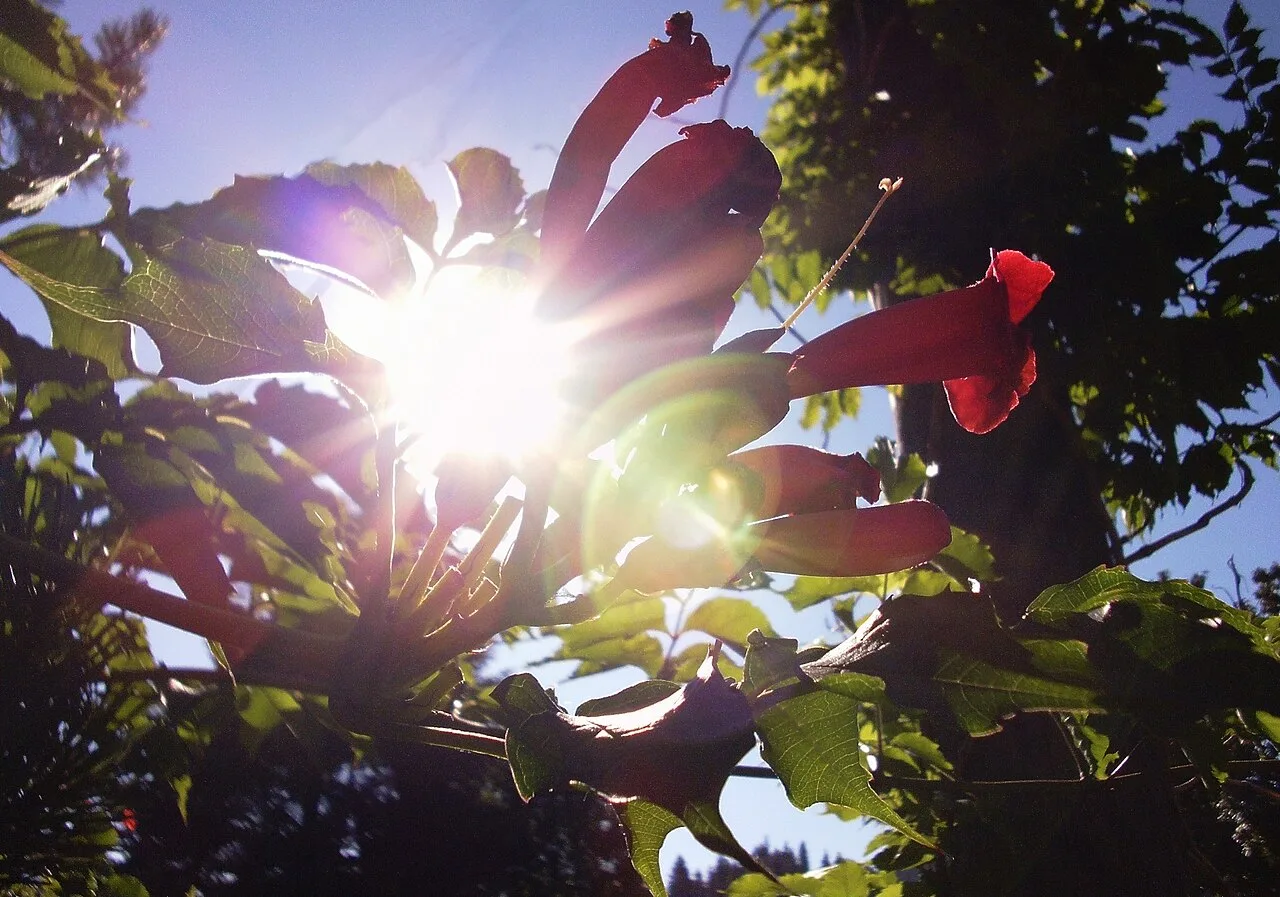

Have you ever felt that familiar pang of guilt after enjoying a moment of peace? Perhaps you spent an hour reading a book, or lost yourself in a beautiful sunset, only to immediately tell yourself it wasn’t ‘productive’ enough, or ‘worthy’ of your time? This feeling, this sense of needing to earn enjoyment, is surprisingly common.
It’s a subtle but powerful force that can drain the joy from everyday experiences. It’s a habit of attaching value to activities solely based on their output or perceived benefit, leaving little room for simply being and appreciating the present moment. Let’s explore how to reclaim the space for enjoyment without the pressure of needing to justify it.
The Problem with ‘Earning’ Joy
Our culture often equates happiness with achievement. We’re bombarded with messages telling us to hustle, to optimize, to constantly strive for something more. This mindset can inadvertently extend to our personal time, leading us to believe that relaxation, hobbies, or simple pleasures are only acceptable if they contribute to a larger goal. This ‘earning’ mentality creates a barrier – a feeling that we’re somehow deficient if we’re not actively ‘working’ on our happiness.
Simple Shifts: Finding Moments of Pleasure
The beauty of restoring space for enjoyment lies in its simplicity. It doesn’t require grand gestures or significant investment. Think about it – moments of genuine pleasure often arise from the most unassuming activities. Recall something you liked before it became another target. Think about music, making things, games, or time outdoors.
Consider this: five minutes of listening to a favourite song while your tea cools. There is no need to document it, improve at it, or turn it into a daily streak. Perhaps you spend ten minutes sketching a simple shape, or simply watching the clouds drift by. The key is to choose an activity that feels intrinsically appealing, without attaching any expectations or judgments.
- Start small: Begin with just five to fifteen minutes.
- Focus on the process, not the outcome: Resist the urge to evaluate or ‘perfect’ your experience.
- Let go of self-criticism: If the activity doesn’t immediately feel ‘good,’ that’s okay. Adjust it or choose something else.
Navigating the Experience – Without the Pressure
When you engage in an activity simply for the sake of enjoying it, it’s crucial to approach the experience with a sense of curiosity and openness. Notice the sensations, the sights, the sounds – notice a detail if you wish, without requiring full attention or a particular feeling. If the experience isn’t immediately enjoyable, don’t beat yourself up. Instead, gently adjust the activity. Maybe you change the music, try a different approach, or simply choose something else entirely. The goal isn’t to achieve ‘perfect’ enjoyment, but to create space for it to arise naturally.
Recognizing When More Support is Needed
It’s important to acknowledge that a sustained loss of interest or pleasure in activities you once enjoyed can be a sign of something deeper. While occasional fluctuations in mood and interest are normal, a persistent and significant shift in your ability to experience joy is worth discussing with a qualified professional. This is particularly true if this change is impacting your daily life, relationships, or overall well-being. Remember, seeking support is a sign of strength, not weakness. If you find yourself struggling to find enjoyment, or if your feelings are causing significant distress, please reach out for help.
Self care activities can include ordinary things you enjoy; they do not need to become goals. If you want a flexible way to choose among them, try building a self-care plan.
Sources & further reading
These sources provide background, not validation of every exercise or endorsement of Help Me Heal. Practical examples are original educational suggestions. How we create our content.