Acknowledge progress that nobody else can see
Educational guide · Not clinically reviewed
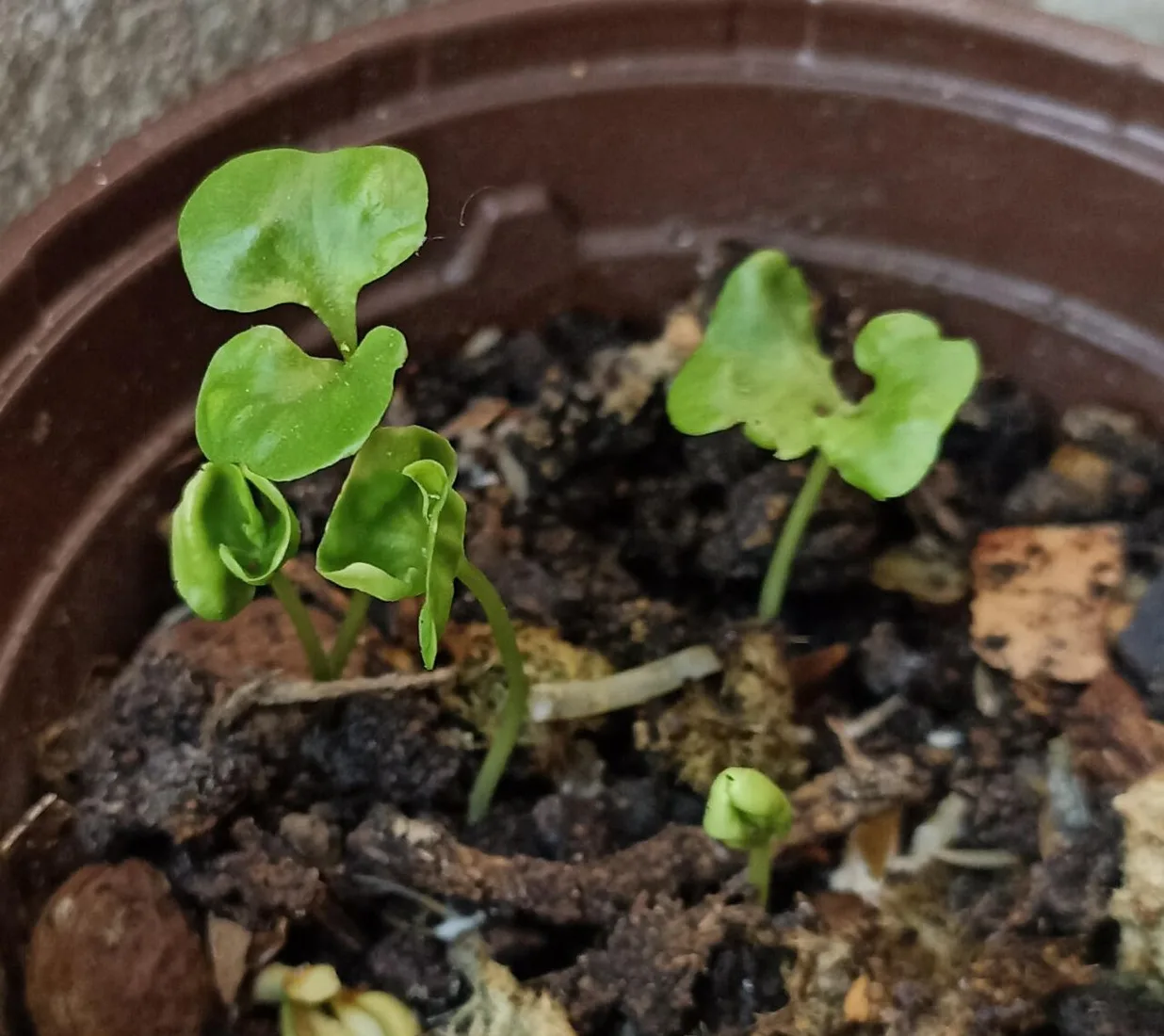

We often measure our progress against external benchmarks: a completed project, a learning goal, a positive performance review. These are tangible achievements, easily visible to others – and that’s perfectly valid. But what about the quieter shifts happening within us, the subtle adjustments that don't make a dramatic announcement? These are often the most significant, yet the hardest to recognize, and they’re precisely where we can find real, sustainable growth.
Think about a persistent habit you’re trying to break, or a skill you’re developing. You might not see a dramatic transformation overnight. Instead, you might notice you’re more willing to ask a clarifying question, or you’re spending just a few extra minutes practicing your instrument each day. These incremental changes, while seemingly small, are the building blocks of lasting change. Let's explore how to truly appreciate these often-unnoticed steps.
Recognizing the Unseen Shift
It’s easy to fall into the trap of judging ourselves based on what we think we should be doing, rather than what we actually are doing. We set ambitious goals, and when we inevitably stumble, we’re quick to beat ourselves up for not meeting those expectations. But what if the value isn’t in flawlessly achieving a specific outcome, but in the very act of striving, and in the small, often imperfect steps we take along the way?
Detailed Observation: What’s Actually Happening?
Let’s take a closer look at how to identify these subtle shifts. One practical starting point is to describe a change in behavior. Instead of saying, ‘I’m finally being assertive,’ which can feel like a lofty aspiration, try describing what you actually did. For example, if you’ve been struggling to speak up in meetings, you might notice and acknowledge, ‘I asked a clarifying question during the discussion today.’
This shift in language – moving from a judgment about who you should be to a factual account of what you did – is powerful. It allows you to see the change without adding layers of self-criticism. Consider another scenario: you’ve been trying to manage your stress levels. Instead of berating yourself for not meditating for an hour, you might observe, ‘I took a 15-minute break to go for a walk when I felt overwhelmed.’
- Focus on specific behaviors, not abstract feelings.
- Use concrete language to describe your actions.
- Avoid adding judgments or interpretations to your observations.
Understanding the Context and Support
Once you’ve identified a change, it’s important to understand what supported it. What triggered this shift? Was it a conversation with a friend, a helpful resource you discovered, or a moment of self-awareness? Noticing possible support gives you something to consider, without proving what caused the change. For instance, if you started asking for help with a project because a colleague offered encouragement, consider scheduling regular check-ins with that colleague to maintain that support.
Furthermore, acknowledge that this change didn’t occur in a vacuum. There were likely factors at play – a shift in your mindset, a change in your environment, or a moment of vulnerability – that created the space for this new behavior to emerge. Recognizing these underlying influences can deepen your understanding of your progress.
Accepting Fluctuations and Avoiding Self-Criticism
It’s crucial to remember that progress isn’t linear. There will be days when you feel like you’ve moved backwards, when setbacks seem insurmountable. If you’ve been making progress in managing your anxiety, and then you have a particularly stressful day, it’s easy to feel discouraged. However, a single challenging day doesn’t negate the progress you’ve made. It simply highlights the inherent variability of the process.
Don’t let a temporary dip in your efforts derail your overall sense of accomplishment. Instead, gently acknowledge the difficulty, learn from it if possible, and recommit to your goals. This approach – accepting fluctuations while celebrating the consistent effort – is key to sustaining long-term change. Remember, the goal isn't perfection, it’s progress, and progress is rarely a straight line.
Sources & further reading
These sources provide background, not validation of every exercise or endorsement of Help Me Heal. Practical examples are original educational suggestions. How we create our content.